The Myth of Overnight Metabolism: Why Bedtime Snacks Won't Help You Burn Calories

We've all seen the headlines promising rapid weight loss with a simple trick, often involving eating specific foods before bed. The idea that you can boost your metabolism while you sleep is tempting, but is there any scientific backing to these claims? Let's delve into the reality behind "metabolism-boosting" bedtime snacks.
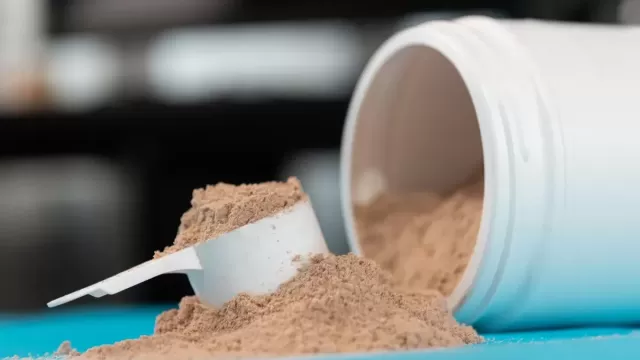
While some research suggests a potential link between consuming protein before sleep and improved metabolism and workout recovery, the overwhelming consensus is that eating anything close to bedtime can be detrimental to your overall health. Foods like spicy peppers, caffeine, and complex carbohydrates might offer a temporary metabolic boost, but their effects are minimal and unlikely to significantly impact calorie burn during sleep.
Focusing on long-term healthy habits is far more effective. These include building muscle mass, staying physically active throughout the day, prioritizing quality sleep, and consuming a balanced, nutrient-rich diet. These are the cornerstones of a healthy metabolism and sustainable weight management.
Eating right before bed can have negative consequences. Instead of promoting calorie burn, it can disrupt your sleep and increase the risk of gastroesophageal reflux disease (GERD). GERD occurs when stomach acid flows back into the esophagus, often triggered by lying down soon after eating. Poor sleep, in turn, can hinder your metabolism and make weight loss more challenging. Studies even show a correlation between eating close to bedtime and increased awakenings during the night.
Ideally, you should avoid eating for two to three hours before going to sleep. This allows your body to properly digest your food and reduces the risk of sleep disturbances.
There is a single exception to this rule. Individuals with type 1 diabetes who take insulin or other medications may need a bedtime snack to prevent or treat low blood sugar. However, this should be discussed with your doctor if it becomes a regular occurrence.
The truth is, there are no magic foods that will supercharge your metabolism while you slumber. The most effective approach is to embrace a holistic lifestyle that incorporates a balanced diet, regular exercise, and sufficient sleep.
Instead of searching for quick fixes, prioritize creating sustainable habits that support your overall health and well-being. This includes a diet rich in fruits, vegetables, whole grains, lean proteins, and healthy fats, coupled with consistent physical activity and healthy lifestyle choices.