Winter Storm Fern Threatens Power, Gas Disruptions

As Winter Storm Fern moves across the United States this weekend, a massive swath of the country faces a dangerous combination of record-breaking cold, heavy snowfall, and destructive ice. The National Weather Service reports that approximately 170 million people reside in the storm's path, which stretches from New Mexico through the South and Midwest into the Northeast. With emergency declarations already active in 14 states, officials are bracing for a multi-day weather event that could paralyze transportation and leave millions without electricity.
Severe Weather Hazards and Regional Impact
The forecast indicates a high probability of destructive ice accumulation across the Tennessee Valley, the Southern Plains, and parts of the Southeast. These conditions often lead to snapped power lines and falling trees, resulting in long-term utility failures that can last for days. Meanwhile, the Ohio Valley and Mid-Atlantic regions are preparing for significant snow accumulations, with many areas expected to see more than a foot of snow.
Key threats identified by meteorologists include:
- Impassable roadways due to thick ice and rapid snow accumulation.
- Widespread damage to trees and residential infrastructure.
- Extended power outages caused by frozen transmission equipment.
- Life-threatening wind chills across the central and eastern U.S.
Energy Shortages and Rising Natural Gas Costs
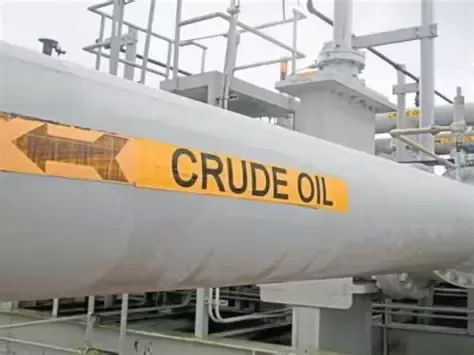
The impending freeze has already sent ripples through the energy markets, with natural gas prices surging by roughly 70% this week. While heating demand is hitting a seasonal peak, the supply side is under immense pressure. Financial analysts from Goldman Sachs have cautioned that the extreme cold could freeze wellheads and pipelines, potentially knocking out more than 10% of the total natural gas production in the United States. This "freeze-off" creates a dangerous paradox: fuel supply drops precisely when households and power plants need it most for heating and electricity.
The risks associated with fuel delivery failures were tragically demonstrated during Winter Storm Uri in early 2021. During that event, Texas experienced a near-total collapse of its power grid, leaving 4 million residents in the dark. According to federal reports, over 200 fatalities were linked to those outages, many resulting from hypothermia or carbon monoxide poisoning as people sought alternative heat sources.
Grid Stability and the Role of Data Centers
Modern electricity grids are facing unprecedented strain, not just from weather, but from the rapid expansion of industrial energy users. The North American Electric Reliability Corporation (NERC) has highlighted that the surge in energy consumption from large-scale data centers makes the grid more vulnerable during peak winter demand. These facilities require constant, massive amounts of power, which can deplete available reserves during a crisis.
To mitigate the risk of widespread blackouts, Energy Secretary Chris Wright has signaled that the Department of Energy is prepared to issue emergency orders. These measures would mandate that large facilities, including data centers, switch to their own backup power generation systems. By shifting these massive industrial loads off the public grid, officials hope to preserve enough electricity for residential heating and critical emergency services through Monday.